

Shipping services are an essential part of modern commerce. They are not only a way to move goods from one place to another, but also a complete logistics process that requires planning, organization, and reliable execution to ensure that products arrive safely and on time.
With the rapid growth of online shopping and cross-border trade, businesses now need flexible shipping solutions that can support local, international, and express delivery needs. Whether you are running an online store or managing commercial shipments, choosing the right shipping method can directly affect cost, delivery speed, and customer satisfaction.
In this guide, we will explain the meaning of shipping services, their importance in e-commerce, the main shipping methods, and how to choose the right shipping company for your business.
1. Definition of Shipping Services
Shipping services refer to the process of transporting goods from one location to another, whether within the same country or across international borders.
This process may include packaging, handling, storage, transportation, customs clearance when required, and final delivery to the customer.
A reliable shipping process helps companies move goods efficiently, reduce delays, and meet market demand. Without proper planning, businesses may face higher costs, damaged goods, and poor customer experience.
2. Importance of Shipping Services in E-Commerce
Shipping services are a fundamental part of e-commerce because they directly affect the customer experience. Customers expect their orders to arrive quickly, safely, and with clear tracking updates.
Facilitating International Trade
International shipping allows businesses to reach customers in different countries, expand their markets, and increase sales opportunities.
Saving Time and Effort
Professional logistics services reduce the time needed to transport goods, helping companies deliver orders faster and meet customer expectations.
Improving Efficiency
By organizing the supply chain, businesses can reduce costs, improve productivity, and manage operations more effectively.
Expanding Business Opportunities
Efficient shipping solutions allow small and medium-sized businesses to enter new markets and compete with larger companies by offering reliable delivery options.
3. Different Shipping Systems and Methods
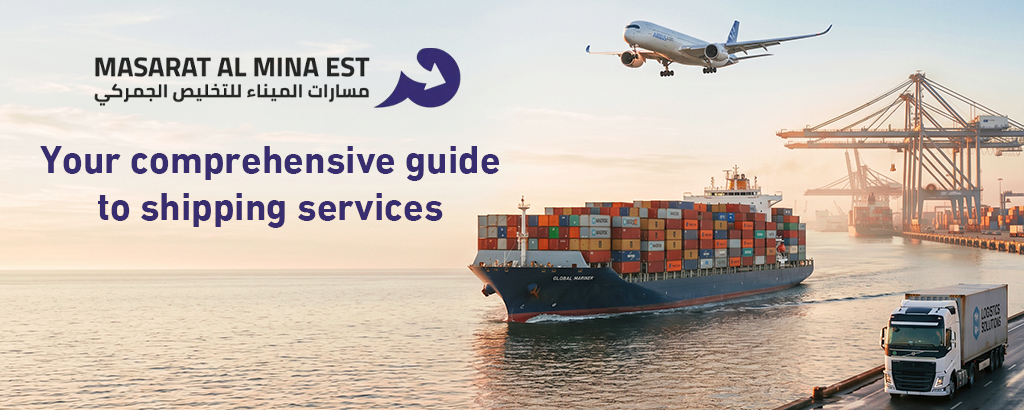
Choosing the right shipping method depends on the type of goods, delivery time, destination, and budget. The most common methods include air freight, sea freight, and land freight.
3.1 Air Freight
Air freight is the process of transporting goods by aircraft. This method is commonly used for urgent, valuable, or time-sensitive shipments that need to reach their destination quickly.
Air freight is one of the fastest transportation methods available, making it suitable for medical products, electronics, important documents, and high-value goods. However, it usually comes at a higher cost compared to sea freight or land freight.
For many companies, air freight is the preferred choice when speed and reliability are more important than cost.
3.2 Sea Freight
Sea freight is the process of transporting goods by ships across seas and oceans. It is one of the most cost-effective options for large quantities of goods and long-distance international trade.
Sea freight is widely used to transport commercial goods such as agricultural products, industrial materials, machinery, vehicles, and containerized cargo. Although it usually takes longer than air freight, it offers a practical and affordable solution for companies that need to move large shipments.
This method is ideal for businesses looking for efficient freight options at a reasonable cost.
3.3 Land Freight
Land freight is the process of transporting goods by road or rail, such as trucks and trains. This type of shipping is commonly used for domestic transportation or cross-border movement between neighboring countries.
Land freight is a flexible and reliable option for moving goods quickly and efficiently. Trucks can reach different destinations, including major cities, industrial areas, warehouses, and remote locations.
This method is also suitable for companies looking for cost-effective transport with flexible routes and direct delivery options.
4. Different Shipping Destinations
Shipping destinations vary depending on the customer’s needs, the type of shipment, and the delivery location. The main types include international shipping, domestic shipping, and express shipping.
4.1 International Shipping
International shipping is the process of moving goods from one country to another. It is an essential part of global trade and allows companies to import and export products across borders.
It usually requires specific documents, such as a commercial invoice, packing list, certificate of origin, and shipping bill. It may also require customs clearance procedures to ensure that goods enter the destination country legally.
Advantages of International Shipping
International transportation helps companies access new markets, increase revenue, and build relationships with customers and suppliers around the world.
However, businesses must also be aware of customs duties, taxes, documentation requirements, and possible delays.
4.2 Domestic Shipping
Domestic shipping refers to the transportation of goods within the borders of one country. It includes delivering products from one city, warehouse, branch, or distribution center to another within the same country.
Domestic shipping is a popular choice for individuals and businesses that need fast and efficient transportation.
Advantages of Domestic Shipping
Faster Delivery
Domestic shipments usually take less time than international shipments, helping companies meet customer needs more quickly.
Lower Costs
Domestic transportation costs are often lower because they do not include international customs duties or cross-border transit fees.
Simpler Procedures
Local shipping operations do not usually require complex customs clearance procedures, making the process easier and faster.
4.3 Express Shipping
Express shipping is a fast delivery solution designed to deliver shipments within a short period of time, usually between one and three business days.
It is widely used in e-commerce because customers often prefer fast delivery.
Advantages of Express Shipping
Shipment Tracking
Express delivery usually provides advanced tracking options, allowing customers to monitor their shipments in real time.
Suitable for Urgent Shipments
This option is ideal for urgent orders, important documents, and time-sensitive goods.
Flexible Delivery Options
Many companies offer different options, such as same-day delivery, next-day delivery, or 24-hour delivery, giving customers more flexibility.
Although express shipping is usually more expensive, it provides speed, convenience, and a better customer experience.
5. Difference Between Shipping Services and Delivery Services
Many people use the terms shipping and delivery in the same way, but there is a clear difference between them.
Shipping Services
Shipping services are related to the broader process of transporting goods from one place to another. They include logistics operations such as packaging, warehousing, freight forwarding, customs clearance, and long-distance transportation.
Delivery Services
Delivery services focus more on moving shipments to the final customer, often within a local area. This includes parcel delivery, food delivery, and last-mile delivery.
In simple terms, shipping covers the full logistics journey, while delivery focuses on the final stage of getting the shipment to the customer.
6. How to Protect Shipments from Damage
Protecting shipments from damage is an important part of a successful logistics process. Poor packaging or careless handling can lead to product loss, customer complaints, and additional costs.
Use High-Quality Packaging Materials
Choose strong boxes, protective wrapping, bubble wrap, foam, or pallets depending on the type of goods being shipped.
Use Clear Labels
Add clear labels to show handling instructions, such as “Fragile,” “This Side Up,” or “Keep Dry.” This helps shipping teams handle the shipment correctly.
Secure the Goods Properly
Make sure the items are fixed in place inside the package to prevent movement during transportation.
Choose the Right Shipping Method
Some goods require refrigerated transport, air freight, or special handling. Choosing the right method can reduce the risk of damage.
Insure Valuable Shipments
For high-value goods, shipment insurance provides additional protection in case of damage, loss, or unexpected issues during transportation.
7. Steps to Choose the Right Shipping Company
Choosing the right shipping company is an important decision for any business. The quality of the service can directly affect delivery time, customer satisfaction, and operating costs.
Determine the Type of Shipment
Know the weight, size, and type of goods you want to ship. Some products may require special handling, such as refrigerated transportation, fragile packaging, or customs documentation.
Compare Different Providers
Do not rely on the first option you find. Compare several companies based on price, delivery time, coverage areas, and service quality.
Check the Company’s Experience
Choose a company with experience in handling the type of goods you need to transport. Experienced providers can reduce delays, avoid common mistakes, and offer better solutions.
Review Tracking Options
A reliable company should provide shipment tracking so you can monitor the movement of your goods and stay updated at every stage.
Ask About Customs Clearance Support
If your shipment is international, make sure the company can support you with customs clearance, required documents, and import or export procedures.
Understand the Pricing Clearly
Before confirming the shipment, ask for a clear quotation that explains all expected costs, including transportation, customs clearance, storage, insurance, and any additional fees.
Check Customer Support
Good logistics providers should offer fast and clear communication. Strong customer support helps solve problems quickly and keeps you informed throughout the shipping process.
Conclusion
Shipping services are an essential part of modern trade and e-commerce. They help businesses move goods safely, reach new markets, improve customer satisfaction, and manage supply chains more efficiently.
Whether you need air freight, sea freight, land freight, domestic shipping, international shipping, or express delivery, choosing the right solution can make a major difference in the success of your business.
By understanding the available transportation methods, protecting your shipments properly, and working with a reliable company, you can ensure that your goods arrive safely, efficiently, and on time